
Children’s Book Illustration: Complete Guide to Creating Magical Stories for Young Readers
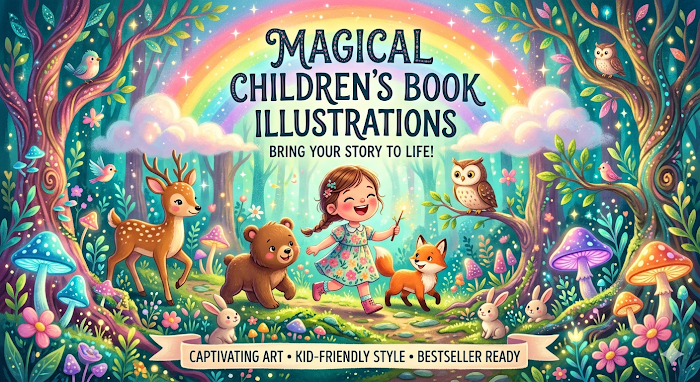
Children’s book illustration plays a vital role in transforming a simple story into a magical experience for young readers. Colorful characters, imaginative environments, and expressive storytelling visuals help children understand the narrative while keeping them engaged. Professional children’s book illustrations make stories memorable, educational, and visually exciting.
Illustrations are not just decorations in children’s books. They guide emotions, spark imagination, and help children connect with characters. Whether the book is a bedtime story, educational book, or fantasy adventure, high-quality illustrations can dramatically improve the book’s success.
Why Children’s Book Illustration Is Important
Children respond strongly to visuals. Bright colors, friendly characters, and expressive scenes capture their attention and make stories easier to understand. Therefore, illustration is not an optional addition but an essential component of children’s publishing.
Encourages Imagination
Illustrations allow children to explore imaginative worlds filled with magical creatures, adventurous landscapes, and playful characters. A beautifully illustrated storybook can inspire creativity and curiosity in young readers. Moreover, when children see vivid depictions of imaginary scenarios, they begin to create their own stories and expand their creative thinking.
Improves Story Understanding
Young readers often rely on images to interpret the story. Visual storytelling helps children follow the narrative, understand emotions, and connect with the characters more easily. Consequently, even children who are not yet reading independently can engage with and enjoy books through illustrations.
Builds Emotional Connection
Well-designed characters create emotional bonds with children. When kids relate to the characters, they become more engaged with the story and want to keep reading. Additionally, seeing emotions visually helps children understand and process their own feelings.
Elements of High-Quality Children’s Book Illustrations
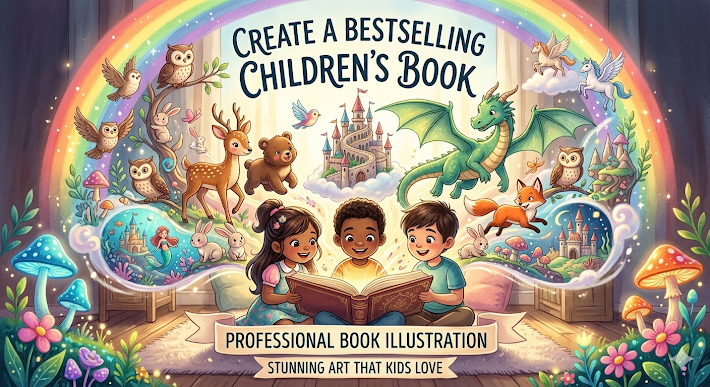
Successful children’s illustrations combine creativity, storytelling, and visual clarity. Every illustration should support the narrative and enhance the reading experience. Furthermore, the best illustrations work seamlessly with the text to create a unified experience.
Character Design
Characters are the heart of children’s books. They should be expressive, friendly, and memorable. Cute animals, adventurous kids, magical creatures, and imaginative heroes are commonly used to capture young readers’ interest. Additionally, consistent character design throughout the book helps children recognize and bond with the characters.
Colorful and Engaging Visuals
Children are naturally attracted to vibrant colors. A well-balanced color palette helps create excitement and makes each page visually appealing. Therefore, color choices should reflect the mood of the story—bright and cheerful for happy scenes, softer tones for calm moments, and darker shades for suspenseful parts.
Storytelling Through Images
Illustrations should guide the story visually. Each image must represent key moments in the story, helping children understand what is happening even without reading the text. Moreover, illustrations can reveal details that the text does not explicitly state, adding depth to the narrative.
Consistent Art Style
Maintaining a consistent illustration style throughout the book ensures a cohesive and professional look. Consistency makes the story flow smoothly and improves the overall reading experience. Consequently, readers are not distracted by jarring changes in artistic approach from page to page.
Types of Children’s Book Illustration Styles
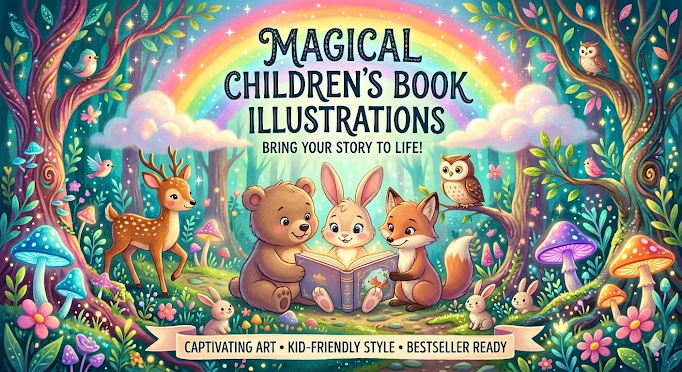
Different stories require different illustration styles. Choosing the right style can greatly influence how children respond to the book. Therefore, understanding the available options helps authors make informed decisions.
Cartoon Illustration Style
Cartoon-style illustrations are one of the most popular choices for children’s books. They feature playful characters, exaggerated expressions, and bright colors that appeal to younger audiences. Furthermore, this style is versatile and works well for humorous stories, adventure tales, and everyday scenarios.
Best For:
- Picture books for toddlers and preschoolers
- Humorous and lighthearted stories
- Educational books for young children
Watercolor Illustration Style
Soft watercolor illustrations create a warm and dreamy atmosphere. This style is commonly used in bedtime stories and emotional storytelling books. Additionally, watercolor adds a timeless, artistic quality that feels gentle and comforting.
Best For:
- Bedtime and calming stories
- Emotional and reflective narratives
- Classic and poetic tales
Digital Illustration Style
Digital illustration allows artists to create vibrant and detailed scenes using modern design tools. This style is widely used in modern children’s books because of its flexibility and visual impact. Moreover, digital art can be easily adjusted and scaled for different publishing formats.
Best For:
- Modern children’s books
- Fantasy and adventure stories
- Books requiring intricate details
Fantasy Illustration Style
Fantasy-themed illustrations include magical worlds, dragons, castles, and mythical creatures. These visuals are perfect for adventure and fantasy storybooks. Consequently, they transport young readers to imaginative realms where anything is possible.
Best For:
- Fantasy and adventure stories
- Fairy tales and folklore
- Magical creature narratives
| Illustration Style | Key Characteristics | Best Story Types |
|---|---|---|
| Cartoon | Playful, exaggerated, bright | Humor, everyday adventures |
| Watercolor | Soft, dreamy, gentle | Bedtime, emotional stories |
| Digital | Vibrant, detailed, flexible | Modern, fantasy, educational |
| Fantasy | Magical, imaginative, elaborate | Adventure, fairy tales |
Benefits of Professional Children’s Book Illustration Services
Hiring professional illustrators ensures that your book stands out in a competitive market. Professional artists understand how to design characters, scenes, and visual storytelling elements that connect with children. Therefore, investing in professional illustration is an investment in your book’s success.
Unique Character Creation
Professional illustrators create original characters that match your story’s personality and theme. Furthermore, they ensure characters are expressive, recognizable, and memorable across every page.
High-Quality Visual Storytelling
Experts know how to transform written stories into engaging visual scenes that support the narrative. Additionally, they understand pacing, composition, and how illustrations interact with text to create a seamless reading experience.
Market-Ready Illustrations
Professional illustrations make books look polished and ready for publishing platforms such as print books, digital books, and online marketplaces. Consequently, your book appears more professional and appealing to publishers, parents, and educators.
Better Reader Engagement
Books with beautiful illustrations attract more readers and improve the chances of positive reviews and higher sales. Moreover, engaging visuals encourage repeat readings, making your book a cherished part of a child’s library.
Steps in the Children’s Book Illustration Process
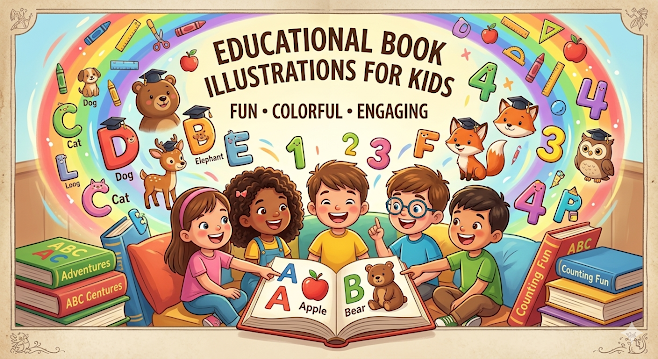
Creating a children’s book illustration involves several important steps that ensure the final artwork matches the story perfectly. Following a structured process guarantees quality and alignment with your vision.
Step 1: Concept Development
The illustrator studies the story and develops initial character and scene concepts. During this phase, the illustrator explores different visual approaches, character personalities, and overall artistic direction. Additionally, this stage includes discussions with the author to ensure alignment.
Step 2: Sketching and Storyboarding
Rough sketches help visualize how the illustrations will appear on each page. The storyboard maps out the flow of illustrations across the book, showing which scenes will be illustrated and how they complement the text. Consequently, adjustments can be made before final artwork begins.
Step 3: Final Illustration Creation
After approval of the sketches, the illustrator creates detailed and colorful final artwork. This stage involves refining details, applying color palettes, and ensuring consistency across all illustrations. Furthermore, the illustrator ensures that characters maintain consistent appearance throughout the book.
Step 4: Book Layout and Page Design
Illustrations are carefully placed within the book layout to ensure perfect storytelling flow. The layout considers text placement, image positioning, and the rhythm of turning pages. Additionally, this stage ensures that illustrations and text work harmoniously to tell the story effectively.
How Children’s Book Illustrations Improve Book Sales
Eye-catching illustrations can significantly impact the success of a children’s book. Parents and educators often choose books that visually attract children and support learning. Therefore, high-quality illustrations serve as a powerful marketing tool.
Beautiful illustrations make books more shareable, more memorable, and more appealing on online marketplaces and bookstores. Additionally, books with professional illustrations receive more positive reviews, higher recommendations, and increased visibility in competitive categories.
Key Sales Drivers:
- Strong cover illustrations that grab attention
- Engaging interior art that encourages browsing
- Visual appeal that leads to word-of-mouth recommendations
- Professional presentation that attracts publishers and retailers
Conclusion
Children’s book illustration is one of the most important aspects of creating a successful children’s book. Engaging characters, vibrant colors, and imaginative storytelling visuals help bring stories to life and capture the hearts of young readers.
By investing in professional children’s book illustration services, authors and publishers can create visually stunning books that inspire creativity, support learning, and provide unforgettable reading experiences for children. Furthermore, professional illustrations ensure your book stands out in a competitive market and reaches the young readers who will cherish it for years to come.
Frequently Asked Questions
- What is the typical cost for children’s book illustration?
The cost varies based on book length, illustration style, and the illustrator’s experience. Full picture books typically range from $1,000 to $10,000 depending on complexity. I provide custom quotes based on your specific project requirements during the initial consultation. - How long does it take to illustrate a children’s book?
A typical picture book with 24–32 pages takes approximately 2–4 months from concept to final delivery. This timeline includes character development, storyboarding, sketches, revisions, and final artwork creation. Rush options may be available for urgent projects. - What information do you need to start illustrating my book?
I need your completed manuscript, a brief about your story’s themes and target age group, any existing character ideas or references, and your preferred illustration style. Additionally, I need to understand your publishing timeline and budget to plan accordingly. - Can you create illustrations in different art styles?
Yes. I specialize in multiple illustration styles including cartoon, watercolor, digital, and fantasy. I help you select the style that best matches your story’s tone and target audience. - Do I own the rights to the illustrations?
Yes. Upon final payment, you receive full usage rights for your book. This allows you to publish, distribute, and sell your book with the illustrations. I retain the right to use samples in my portfolio unless otherwise agreed. - Do you provide illustrations for self-publishing authors?
Absolutely. I work with self-publishing authors as well as traditional publishers. I provide print-ready files suitable for platforms like Amazon KDP, IngramSpark, and other self-publishing services. - What age group should I target with my illustrated book?
Target age groups typically range from 0–3 (board books), 3–5 (picture books), 5–8 (early readers), and 8–12 (chapter books with illustrations). I help you determine the appropriate illustration style and complexity based on your target age group. - How do I get started?
Simply click the contact link above to schedule a free children’s book illustration consultancy. I will discuss your story, vision, and requirements, then provide a customized proposal with transparent pricing and clear timelines.