

Best Freelance Business Card Designers in 2026 – Affordable & Professional
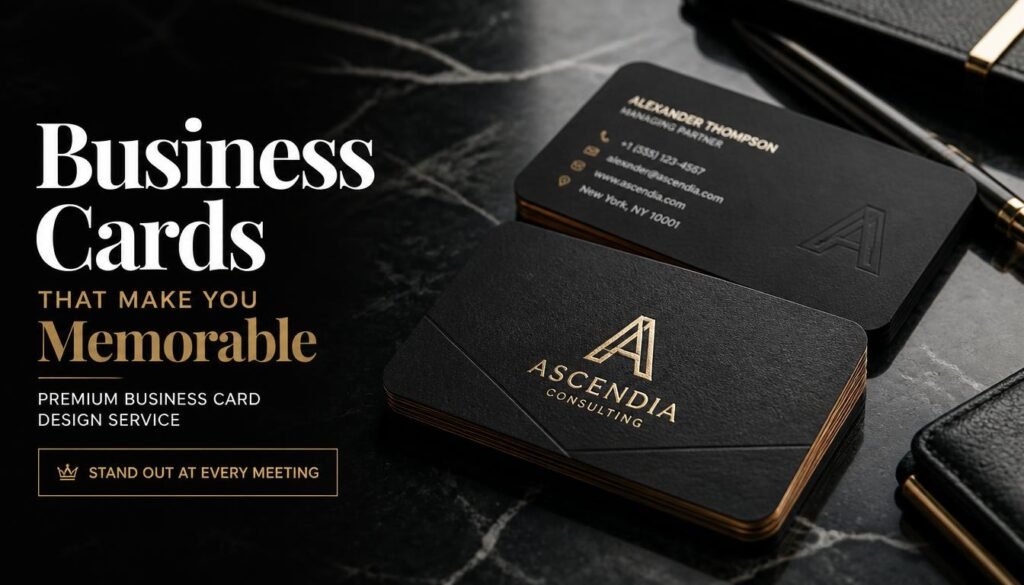
First impressions happen in seconds. Moreover, in a world dominated by digital communication, handing someone a beautifully designed business card still creates a powerful, lasting impression that no email or LinkedIn connection can replicate. Therefore, investing in a professional affordable business card design service is one of the smartest moves any business owner can make.
Furthermore, the good news is that getting a stunning, professional business card designed in 2026 doesn’t have to cost a fortune. In fact, talented freelance designers can create remarkable business cards starting from as little as $10. However, knowing what to look for, what to include, and where to find the best designers makes all the difference.
In this complete guide, you’ll discover everything you need to know about hiring a freelance business card designer in 2026 — including pricing, design tips, and where to find affordable professionals today.
Why Business Cards Still Matter in 2026
Many people assume business cards are outdated in the digital age. However, that assumption couldn’t be more wrong. In fact, business cards are more powerful than ever — precisely because fewer people use them.
They Create a Tangible Connection
Additionally, a physical business card creates a tangible, memorable connection that digital contact sharing simply cannot replicate. For instance, when you hand someone a beautifully crafted card, they hold your brand in their hands. As a result, your business becomes memorable in a way that a LinkedIn request never achieves.
They Signal Professionalism Instantly
Furthermore, a well-designed business card immediately signals that you take your business seriously. On the other hand, showing up to a networking event without cards — or with poorly designed ones — sends the opposite message. Consequently, the quality of your card directly reflects the quality of your work.
They Work While You Sleep
Moreover, business cards get passed around, pinned to notice boards, kept in wallets, and shared with others. Therefore, a single card can generate referrals long after the initial meeting. In other words, your business card is a silent salesperson working for you 24/7.
They’re Extremely Cost Effective
Finally, when you consider the return on investment, business cards are one of the most cost-effective marketing tools available. For example, a professional design costing $30–$50 combined with affordable printing can put your brand in hundreds of hands for minimal investment.
How Much Does Business Card Design Cost in 2026?
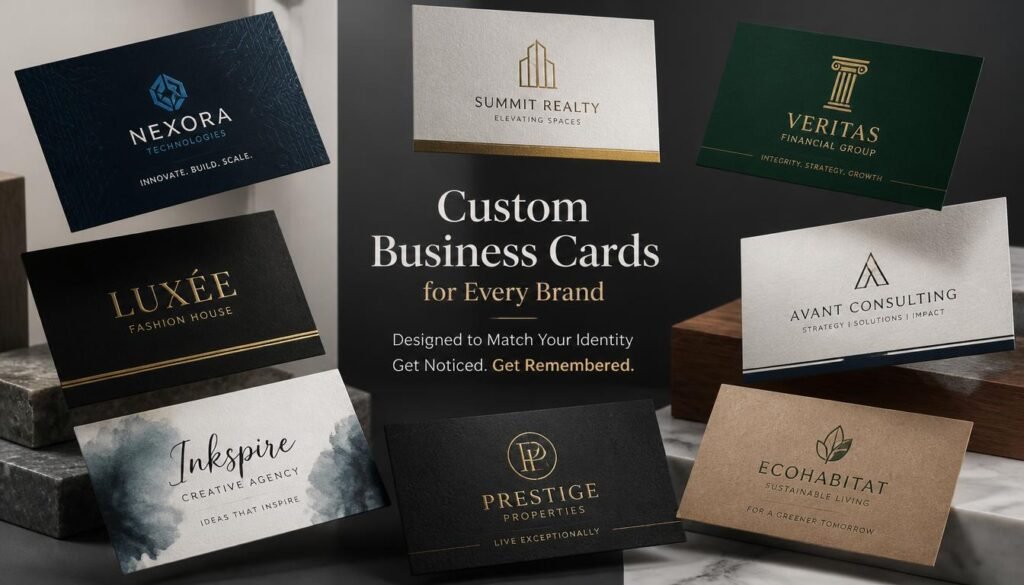
Understanding pricing helps you set realistic expectations and find the best value for your budget. Therefore, here’s a complete breakdown of business card design costs across every tier.
💚 Budget Tier — $10 to $40
What you get:
- Clean, professional design using proven templates
- Your logo, contact details, and branding applied
- Front side design (single sided)
- 1–2 revision rounds
- Print-ready PDF and JPG files
- Fast 24–48 hour delivery
Best for: Solopreneurs, students, freelancers, and anyone needing a quick, clean, professional card on a tight budget. Furthermore, this tier is perfect for testing a new business idea before committing to a larger brand investment.
Turnaround time: 24–48 hours
Result: A clean, professional card that looks great and represents your business confidently.
💛 Standard Tier — $40 to $120
What’s included:
- Fully custom design tailored to your brand
- Front and back design included
- Multiple initial concept options (2–3 designs)
- Up to 5 revision rounds
- Print-ready files in all formats (PDF, JPG, PNG)
- Bleed and crop marks included for printing
- Social media version included
- Source files in some packages
Best for: Small business owners, consultants, real estate agents, coaches, and professionals who network regularly. Additionally, this tier is ideal if you already have brand guidelines and want a card that perfectly reflects your identity.
Turnaround time: 2–4 business days
Result: A stunning, fully custom card that stands out in any stack and makes people say “wow, nice card.”
🔴 Premium Tier — $120 to $300
What’s included:
- Everything in the standard tier, plus:
- Multiple card variations (different roles, departments)
- Special finish mockups (foil, emboss, spot UV, rounded corners)
- Full brand consistency check
- Complete stationery suite option (letterhead, envelope)
- Unlimited revisions
- All source files included
- Priority delivery available
Best for: Established businesses, luxury brands, corporate professionals, and anyone making a premium first impression in high-stakes industries like finance, law, real estate, or luxury retail.
Turnaround time: 3–7 business days
Result: A truly exceptional card that positions your brand as premium, trustworthy, and worth remembering.
Business Card Design Cost Comparison Table
| Tier | Price Range | Sides | Revisions | Delivery |
|---|---|---|---|---|
| Budget | $10 – $40 | Single | 1–2 | 24–48 hours |
| Standard | $40 – $120 | Double | 3–5 | 2–4 days |
| Premium | $120 – $300 | Double + extras | Unlimited | 3–7 days |
What Should a Professional Business Card Include?
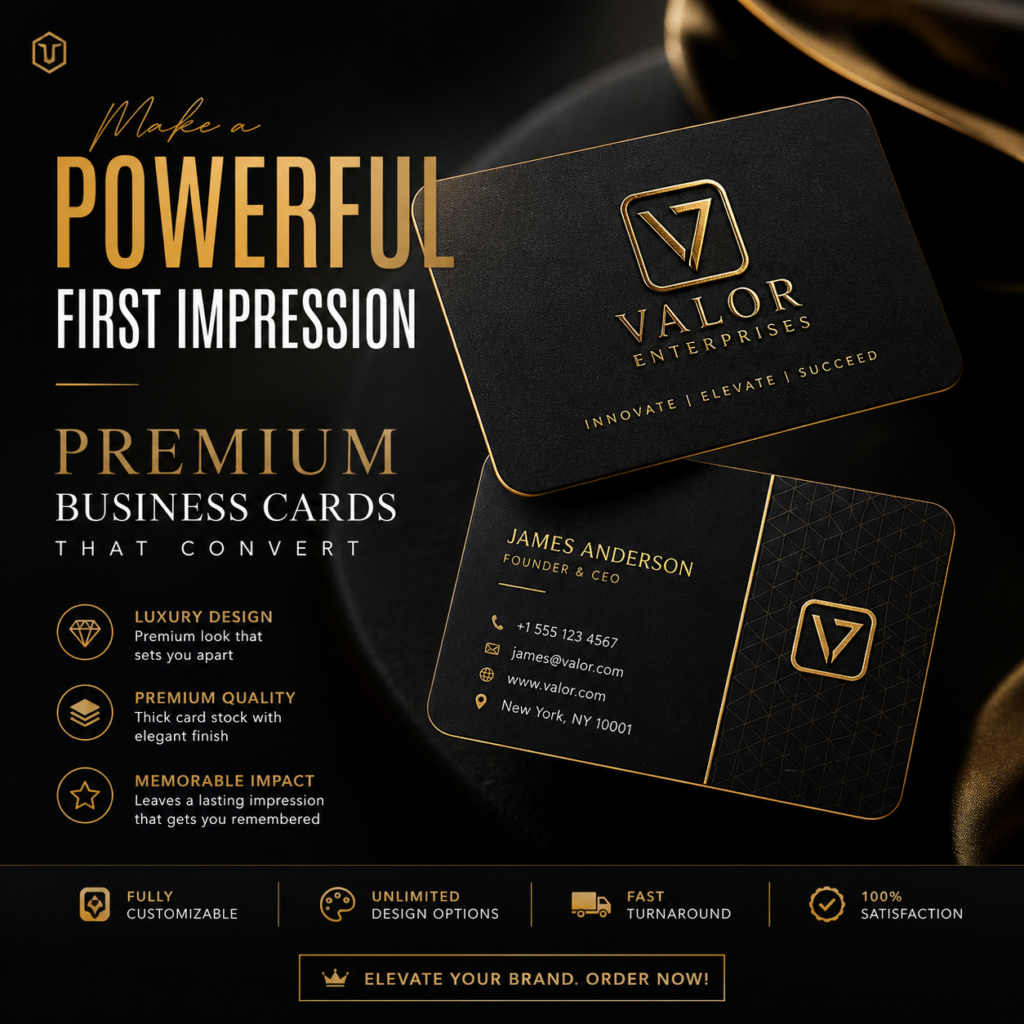
Before briefing your designer, knowing what every great business card must contain saves you time and ensures nothing important is missing. Therefore, here’s a complete checklist:
Essential Information
Your Full Name — Clearly displayed, easy to read. Moreover, use the name you go by professionally, not necessarily your legal name.
Job Title or Role — For instance, “Founder & CEO,” “Licensed Realtor,” or “Freelance Graphic Designer.” This immediately tells recipients who you are and what you do.
Business Name and Logo — Your logo should be prominently placed and high resolution. Furthermore, ensure your business name appears clearly even if it’s embedded in the logo.
Phone Number — Include your primary business contact number. Additionally, consider whether to include a mobile number separately.
Email Address — Use a professional business email (yourname@yourdomain.com), not a Gmail or Yahoo address. As a result, you immediately look more credible.
Website URL — Keep it short and clean. For example, “freelancehub.cloud” rather than “www.freelancehub.cloud/home.”
Physical Address — Include this if you have a physical location customers visit. However, home-based businesses may prefer to omit this for privacy.
Optional But Valuable
Social Media Handles — Include your most active professional platform. For instance, LinkedIn for B2B professionals, Instagram for creatives.
QR Code — A QR code linking to your website, portfolio, or booking page adds modern functionality. Furthermore, it bridges the physical card with your digital presence seamlessly.
Tagline — A short, memorable tagline reinforces your brand message. For example, “Design that sells” or “Your brand, perfected.”
Specialization — If you serve a specific niche, mention it. For instance, “WordPress Website Developer” or “Real Estate Photography.”
What Makes a Business Card Design Outstanding?
Understanding design principles helps you evaluate your designer’s work effectively. Therefore, here are the key elements that separate outstanding cards from forgettable ones.
Simplicity Is Everything
First and foremost, the best business cards are clean and uncluttered. Consequently, resist the temptation to include every piece of information you can think of. In other words, white space is not wasted space — it’s breathing room that makes your card elegant and easy to read.
Typography Matters Enormously
Furthermore, font choice dramatically impacts how professional your card looks. For instance, a clean sans-serif font like Helvetica or Montserrat conveys modern professionalism. On the other hand, an overly decorative font can make important information hard to read. Therefore, always prioritize readability over style.
Color Psychology Works
Additionally, your color choices communicate your brand personality even before anyone reads a word. For example, blue signals trust and reliability — which is why it dominates in finance and healthcare. Green suggests growth and health. Black conveys luxury and sophistication. Therefore, choose colors that align with your brand values and industry.
Size and Format Options
Moreover, while the standard business card size (3.5 x 2 inches in the US, 85 x 55mm in Europe) is universal, creative formats can make your card truly memorable. For instance, square cards, mini cards, and folded cards all stand out from standard rectangular designs. However, always confirm that your chosen format fits standard cardholders.
Business Card Design Mistakes to Avoid
Even with a talented designer, knowing what not to do helps you guide the project effectively. Therefore, here are the most common business card mistakes:
Too Much Information
Many business owners try to include every phone number, email, address, and social media handle they have. However, this creates a cluttered, overwhelming design. As a result, nothing stands out and readers don’t know where to focus. Instead, include only the most essential contact information.
Low Resolution Logo
Furthermore, using a low-resolution logo on a print business card results in blurry, pixelated printing that looks unprofessional. Therefore, always provide your designer with a vector logo file (AI, EPS, or SVG) for crisp, sharp printing at any size.
Ignoring the Back of the Card
Additionally, many people design only the front of their card and leave the back completely blank. However, the back is valuable real estate. For instance, you could include a QR code, a brief list of services, a key testimonial, or simply a strong brand color that makes the card visually striking.
Choosing Style Over Readability
Moreover, while a beautifully decorative font might look stunning in isolation, if recipients can’t easily read your name or phone number, the card fails its primary purpose. Consequently, always prioritize legibility — especially for small text like email addresses and phone numbers.
Not Providing Print-Ready Files
Finally, always ensure your designer provides print-ready files with correct bleed (typically 3mm), crop marks, and CMYK color mode. As a result, what you see on screen matches what comes off the printer perfectly.
Types of Business Cards — Which Is Right for You?
Not all business cards are the same. Therefore, understanding your options helps you make the best choice for your brand and budget.
Standard Business Cards
The classic 3.5 x 2 inch rectangular card is universally recognized, fits all cardholders, and is the most affordable to print. Furthermore, with great design, a standard card can look absolutely stunning. This is the best choice for most businesses.
Square Business Cards
Square cards (2.5 x 2.5 inches) immediately stand out from the crowd. Moreover, they feel modern and creative — making them popular among designers, photographers, and creative professionals. However, they don’t fit standard cardholders, which is worth considering.
Folded Business Cards
Additionally, folded cards (also called mini brochure cards) give you four panels of space to work with. As a result, they’re perfect for businesses that want to include more information — like a service menu, map, or brief portfolio — without cluttering the front face.
Luxury Finish Cards
Furthermore, special finishes transform a standard card into a premium experience. For instance, foil stamping adds metallic shine, spot UV coating creates a tactile gloss effect, and letterpress printing creates an elegant embossed feel. Consequently, luxury finish cards are particularly effective in high-end industries.
Digital Business Cards (NFC)
Finally, NFC (Near Field Communication) digital business cards are a growing trend in 2026. Moreover, they allow you to tap your card against someone’s phone and instantly share your contact details, website, and social media. However, most professionals still carry both physical and digital cards for maximum versatility.
How to Find the Best Affordable Business Card Designer in 2026
Finding a talented, affordable freelance business card designer has never been easier. Furthermore, with the right approach, you can get outstanding results at any budget level.
✅ Freelance Marketplaces — Best Value Option
Freelance platforms are the best starting point for most business owners. First of all, you can browse hundreds of portfolios instantly. Furthermore, verified reviews from real clients give you confidence in your choice. Additionally, direct communication with your designer before ordering ensures they understand your vision perfectly.
Moreover, built-in payment protection means your money is safe until you’re completely satisfied with the result. Consequently, freelance marketplaces combine quality, value, and security better than any other option.
✅ Referrals From Your Network
Additionally, asking fellow business owners whose cards you’ve admired for designer recommendations is always valuable. As a result, you get firsthand insight into the designer’s professionalism, communication style, and ability to meet deadlines.
✅ Design Portfolio Sites
Furthermore, browsing design portfolio sites lets you discover designers whose style perfectly matches your brand aesthetic. However, always request a quote before committing, as pricing varies significantly on these platforms.
How to Brief Your Business Card Designer Like a Pro
The quality of your brief directly determines the quality of your result. Therefore, here’s exactly what to include when briefing your designer:
Provide All Your Brand Assets
Share your logo in vector format (AI, EPS, or SVG), your brand colors with exact HEX or CMYK codes, and your preferred fonts. Furthermore, if you have a brand style guide, share it immediately — this alone saves significant revision time.
List All Required Information
Write out every piece of information you want on the card exactly as it should appear. For instance, include your name, title, phone number, email, website, and any social handles. Consequently, your designer won’t have to guess or make assumptions.
Share Reference Cards You Love
Find 3–5 business card designs you admire and share them with your designer. However, be clear that these are inspiration references, not designs to copy. As a result, your designer understands your taste and style preferences immediately.
Specify Your Industry and Audience
Tell your designer your industry and who will receive the card. For example, a card for a corporate lawyer should look very different from one for a children’s party entertainer. Therefore, industry context helps your designer make the right creative choices.
Mention Any Special Requirements
Finally, if you need a specific card size, finish, or print specification, mention it upfront. For instance, if you’re printing through a specific service that requires exact bleed dimensions, share those specifications with your designer from the start.
Where to Print Your Business Cards Affordably
Once your design is complete and print-ready, here are the most popular and affordable printing options in 2026:
Moo.com — Known for exceptional print quality and premium finishes. Furthermore, they offer a unique “Printfinity” feature allowing different images on the back of each card in a pack.
Vistaprint — The most widely used printing service for small businesses. Moreover, they offer competitive pricing, frequent discounts, and a wide range of finishes and sizes.
GotPrint — Excellent for bulk orders at very competitive prices. Additionally, their quality is consistently reliable for standard business cards.
Canva Print — Particularly convenient if your designer delivers files in Canva format. Furthermore, the integration between design and print is seamless.
Local Print Shops — Finally, don’t overlook local printers. For instance, they often offer faster turnaround, the ability to see proofs in person, and competitive pricing for smaller quantities.
Final Verdict — Is a Freelance Business Card Designer Worth It?
Absolutely — without any doubt. In fact, hiring a freelance business card designer is one of the best value investments a business owner can make.
Consider this: your business card represents your brand every time it changes hands. Therefore, a poorly designed card actively hurts your credibility. On the other hand, a stunning, professionally designed card opens doors, starts conversations, and makes people want to do business with you.
Furthermore, with talented freelance designers available from just $10–$40 for a budget design, there’s no justification for handing out a mediocre card. Moreover, at the standard tier ($40–$120), you get genuinely custom, brand-perfect designs that make you look like a market leader.
Consequently, whatever your budget, whatever your industry, and whatever stage your business is at — a professional business card is always worth it.
Frequently Asked Questions About Business Card Design
Q: How much does a freelance business card design cost in 2026? A: Freelance business card design costs between $10 and $300 depending on complexity. Budget designs start from $10–$40, standard custom designs cost $40–$120, and premium designs with special finishes cost $120–$300. Most small businesses get excellent results in the $40–$120 range.
Q: How long does business card design take? A: Budget designs are typically delivered within 24–48 hours. Standard designs take 2–4 business days. Premium designs take 3–7 business days. Furthermore, rush delivery is available from most designers for an additional fee.
Q: What files do I need for business card printing? A: You need a print-ready PDF with correct bleed (3mm), crop marks, and CMYK color mode at 300 DPI resolution. Additionally, ask your designer for a JPG version for digital use and a PNG with transparent background.
Q: Should I design both sides of my business card? A: Yes — absolutely. The back of your card is valuable space. For instance, use it for a QR code, a list of key services, a strong brand color, or a memorable quote. As a result, your card becomes more memorable and useful.
Q: What information should I put on my business card? A: Include your name, job title, business name, logo, phone number, email, and website as a minimum. Additionally, consider adding a QR code and one social media handle relevant to your industry.
Q: Can a freelance designer create print-ready business card files? A: Yes — always confirm upfront that your designer will provide print-ready files with bleed, crop marks, and CMYK color mode. Furthermore, reputable freelance designers routinely provide these specifications as standard.
Q: What’s the standard business card size? A: The standard size in the US is 3.5 x 2 inches. In Europe and most of the world, it’s 85 x 55mm. However, your designer should know these specifications automatically and design accordingly.
Q: Is it worth spending more on a premium business card design? A: For businesses in high-stakes industries like finance, law, luxury retail, or real estate — absolutely yes. Moreover, for any business that regularly attends networking events, a premium card pays for itself with a single good connection.